
Gone are the days when editing a video or photo required painstaking, manual work for every single clip or pixel. Artificial Intelligence is now seamlessly integrated into creative suites, automating tedious tasks and enabling effects that were once impossible for solo creators. Here are some of the best AI tools that are changing the game.
For Video Editors
Runway ML: This is a powerhouse. Think of it as a "video-based Photoshop." Its Gen-2 model can generate video from text or images, and it offers incredible features like inpainting (removing objects), motion tracking, and slow-motion generation from regular footage. It's a playground for experimental and professional video artists.
Descript: If you work with spoken audio or video, this tool is magic. It transcribes your audio, and then you can edit the video by simply editing the text transcript. Delete an "um" or a sentence from the text, and the video is seamlessly re-rendered. It also features a stellar Overdub function to clone your voice for corrections and excellent AI-powered background removal.
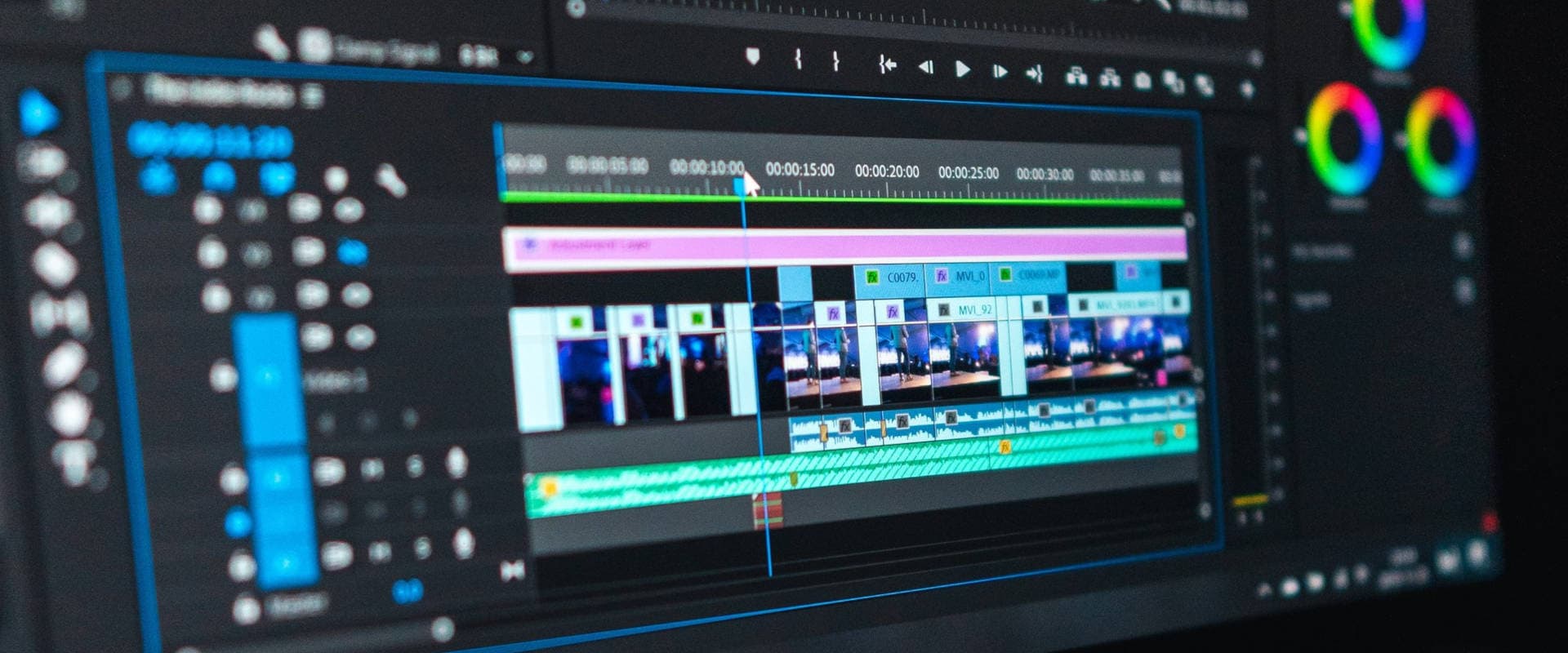
Adobe Premiere Pro (with Sensei AI): The industry standard is supercharged with AI. Features like Auto Reframe (which intelligently reframes videos for different aspect ratios like Square, Portrait, Landscape), Color Match, and Enhanced Speech (which cleans up muddy audio) use Adobe's Sensei AI to drastically speed up workflows.
For Photo Editors & Designers
Adobe Photoshop (Generative Fill & Expand): This has been a monumental leap. You can now select an area, describe what you want to add (or just leave it blank for context-aware fill), and AI will generate it photorealistically. The Generative Expand tool lets you seamlessly extend the borders of any image. It's a fundamental shift in how we think about photo manipulation.
Leonardo.Ai / Midjourney: While primarily for generation, these AI image generators are incredible for editors. Can't find the right stock photo? Generate a base image with a specific style and composition, then bring it into Photoshop for further compositing and editing. They are powerful assets for creating custom textures, backgrounds, and concept art.
Google's "nano banana" (Imagen 3): This is the new kid on the block, and it's causing a stir for its incredible photorealistic quality and text comprehension. The name "nano banana" comes from a viral example where a user prompted it to generate "a tiny banana the size of a thumbnail, made of nano machines, with a tiny banana for scale." The model produced a stunningly detailed and accurate image. For editors, this signifies a new level of precision in AI image generation, allowing for more complex and specific conceptual art without extensive manual editing.
The Common Thread: Augmentation, Not Replacement
These tools aren't here to replace editors; they are here to augment their creativity. They handle the repetitive, time-consuming tasks, freeing up the human to focus on the story, the emotion, and the artistic vision. Embracing these tools is no longer optional; it's essential for staying efficient and competitive in the creative field.
Related Articles
- AI Engineering Made Simple: Build Smarter Apps Today!
Discover how AI engineering turns ideas into intelligent apps. Learn tools, tips, and real code to start building today! - Google Antigravity IDE: The Future of Coding Just Landed
Google just dropped Antigravity - a next-gen IDE that promises to make development feel weightless. Here's what makes it different and whether it's worth the hype - What Are Large Language Models? A Fun & Simple Guide
Curious about AI chatbots? Learn how Large Language Models think, write, and solve problems. Plus, get easy tips to use them like a pro!