
Meet the Contenders: Software Architecture Smackdown!
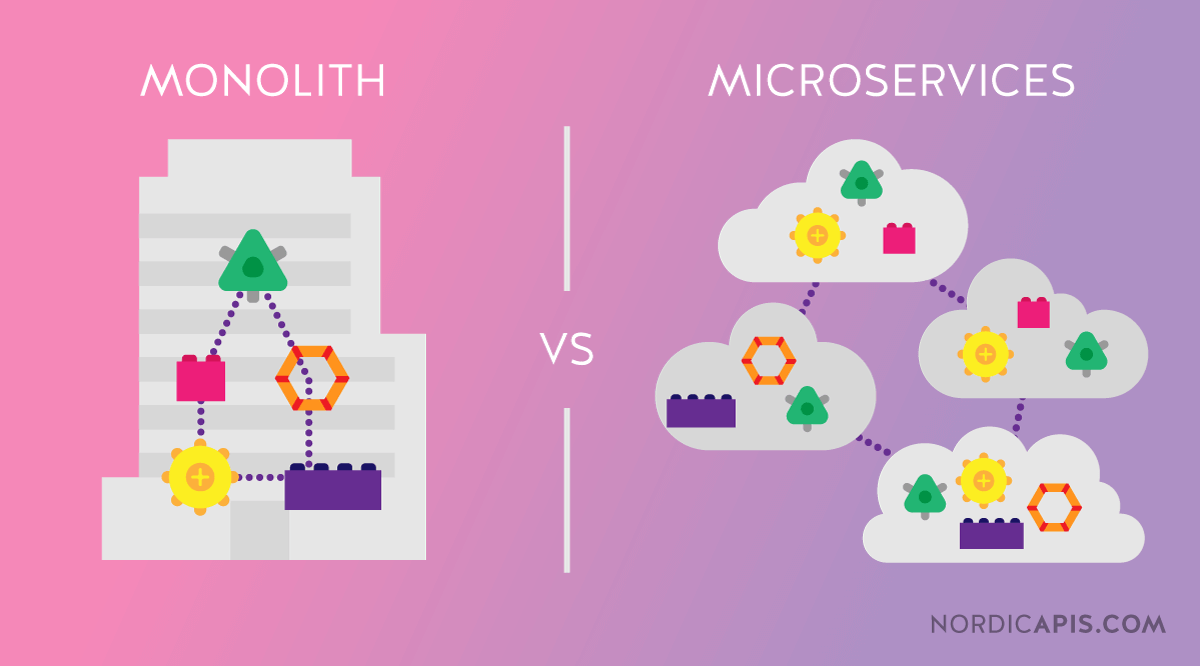
Imagine you're building a house. You could construct one giant room where everything happens (monolith), or create separate connected rooms for cooking, sleeping, and Netflix-binging (microservices. Both get the job done—but in very different ways!
What's a Monolithic Architecture?
A monolith is like a Swiss Army knife—all features bundled together. Your entire application runs as a single unit:
// Traditional Monolithic Structure
my_ecommerce_app/
├── users_module
├── products_module
├── orders_module
└── payments_module
// All tightly coupled in one codebase
Why choose the monolith?
✓ Simple to develop initially
✓ Easy debugging (everything's in one place)
✓ Perfect for small teams or MVP projects
One deployment to rule them all!
Meet Microservices Architecture
Microservices are like specialized tools in a workshop. Each service handles one business capability:
// Microservices Setup
users-service/      → Manages user accounts
products-service/   → Handles product catalog
orders-service/     → Processes transactions
recommendations/    → Suggests cat sweaters
// Each runs independently
When microservices shine:
✓ Teams work independently
✓ Scale popular features easily (looking at you, cat sweater recommendations)
✓ Mix programming languages
✓ Failure isolation - one service crashing won't nuke your whole app
The Great Debate: Cozy Cabin vs Lego City
Monolith Perks
- Simplicity FTW: No complex networking between services
- Beginner Friendly: New devs can find code quickly
- Less Infrastructure: Just deploy once and forget (mostly)
- Real-World Fit: Basecamp still thrives on monoliths!
Microservices Superpowers
- Scale What Matters: Only deploy extra cat-sweater servers during holiday rush
- Tech Flexibility: Use Python for machine learning and Go for performance-critical parts
- Fault Tolerance: Payment service down? The rest keeps humming
- Cloud-Native: Built for Kubernetes and serverless environments
Real-World Scenarios: Who Wins Where?
Choose Monolithic When:
• Building an MVP for your startup
• Team size: 1-5 pizza-eating developers
• Simple app without massive scaling needs
• Tight deadlines demand simplicity
Choose Microservices When:
• Netflix-sized traffic (10k+ requests/second)
• Multiple teams working in parallel
• Different components have wildly different resource needs
• Can afford infrastructure complexity tax
Actionable Takeaways
1. Start Small: Most projects begin as monoliths—that's okay!
2. Break Smart: Only split microservices when a specific part needs special treatment
3. Tool Up: Microservices need Kubernetes, Docker, and monitoring tools
4. Hybrid Approach: Use 'modular monolith' for mid-sized projects
5. Culture Matters: Microservices need DevOps maturity and communication
Remember: There's no universally "right" answer—only what's right for your project's current needs and team superpowers!
Related Articles
- Microservices Made Simple: Build Flexible, Scalable Apps
Discover why micro‑services are the secret sauce for modern apps and how to start using them today. - Microservices Made Simple: Build, Deploy, Repeat!
Ever wondered how Netflix can update one feature without a site outage? Dive into Microservices Architecture – easy, practical, and powerful. - Microservices: Tiny Building Blocks for Big Apps
Discover how small, independent services make your software faster, easier to update, and happier for developers.