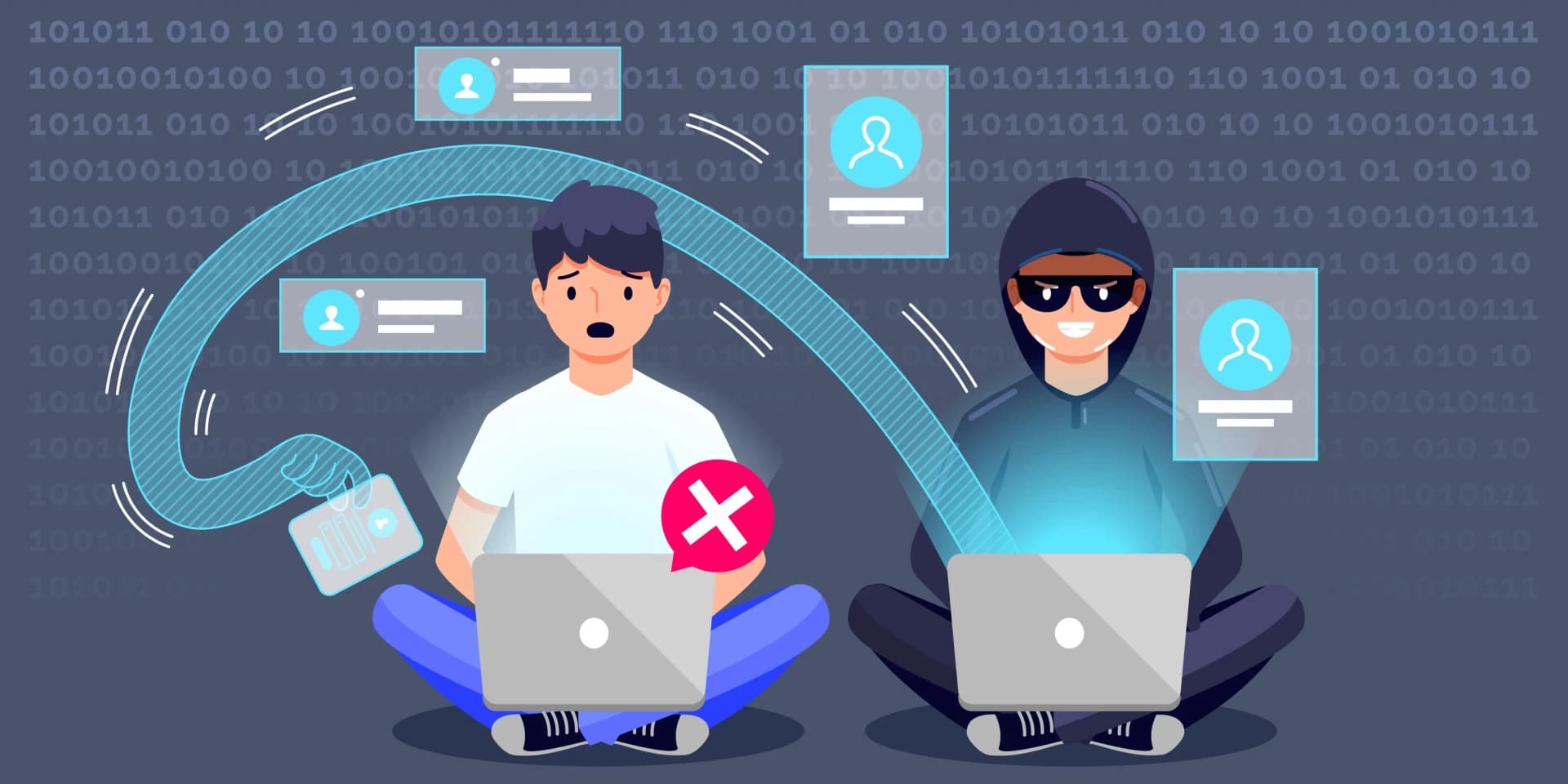

When AI Joins the Fight: Easy Ways to Beat Smart Cyber Attacks
Artificial Intelligence (AI) is a buzzword these days. It helps us write music, translate languages, and even recommend movies. But it also gives hackers a new set of tools. In this post we’ll explore what AI‑powered cyber attacks look like, see real‑world examples, and learn easy, practical steps you can take right now.
1. What Does an AI‑Powered Attack Look Like?
Think of AI as a very fast assistant. It can scan huge amounts of data, spot patterns, and make decisions in seconds. When a hacker uses AI, they can:
- Generate realistic phishing emails. AI can write convincing text that mimics a boss or a favorite brand.
- Craft deep‑fake videos or audio. A fake video of a CEO asking for money can look real.
- Find software bugs automatically. AI tools can test code hundreds of thousands of times to find a weakness.
- Evade detection. Machine learning models can learn what security software looks for and change tactics on the fly.
All of these tricks rely on the same thing: massive data and quick pattern‑matching.
2. Real‑World Scenarios You Might Recognize
Let’s look at two stories that happened in the last few years.
Phishing 2.0 – The AI Email
In 2023, a large corporation received an email that looked exactly like it came from its CFO. The subject line read, "Urgent: Invoice Payment Needed Today." The email included a polished PDF invoice and a link to a payment portal. The trick? The text was generated by an AI model that had been fed thousands of the company’s past emails. The employee clicked, and the attackers stole $250,000.
What made it so convincing?
- Correct use of company‑specific jargon.
- A tone that matched the CFO’s typical style.
- A small “typo” that actually made the email feel more human.
Deep‑Fake Voice Scam
In early 2024, a boutique investment firm fell for a phone call that sounded exactly like its founder. The voice was a deep‑fake created using AI. The caller asked for a transfer of $1 million to a "new partner" overseas. The firm complied, and the money vanished.
Because the voice matched perfectly, the staff trusted it. This shows that AI isn’t just text – it can mimic sound and video too.
3. Simple Ways to Spot AI‑Driven Attacks
You don’t need a PhD in machine learning to protect yourself. Below are everyday habits you can start today.
Check the Sender Carefully
function isSuspiciousEmail(email) {
  // Look for mismatched domains
  const knownDomain = "company.com";
  return !email.from.endsWith(knownDomain);
}
If the email comes from company-support.com instead of company.com, pause.
Verify Requests Through a Second Channel
When someone asks for money or sensitive data, call them back using a known phone number. Even if the voice sounds perfect, a quick call can save you.
Use AI‑Based Security Tools Wisely
Ironically, AI can also help you detect AI attacks. Many email filters now use machine learning to spot unusual language patterns. Keep those tools turned on and update them regularly.
Look for Small Human Errors
AI often tries too hard to be perfect. A weird phrasing, a misplaced emoji, or an odd grammar slip can be a clue. Trust your gut.
4. Actionable Takeaways – What You Can Do Right Now
- Enable multi‑factor authentication (MFA). Even if a password is stolen, a second factor stops the attacker.
- Use a password manager. Strong, unique passwords are harder for AI‑driven credential‑stuffing tools.
- Train your team. Run short, weekly phishing drills that include AI‑generated examples.
- Keep software patched. Many AI tools scan for known vulnerabilities; patching reduces the attack surface.
- Set up a verification rule. Any request for money over $5,000 must be approved via a separate channel.
These steps are simple, low‑cost, and effective against both classic and AI‑enhanced attacks.
5. Looking Ahead – Will AI Make Attacks Unstoppable?
Not at all. History shows that every new weapon eventually meets a counter‑measure. As AI gets smarter, security tools will also improve. Think of it as an arms race, but one where you can stay on the side of the defenders.
Here's a quick future‑proof checklist:
- Stay informed – read a security blog or newsletter each week.
- Review your security policies annually.
- Invest in AI‑based detection tools that learn from your own traffic.
- Encourage a culture of “ask before you act.”
Remember, technology is a tool. The real power lies in human vigilance and good habits.
Conclusion
AI gives hackers new tricks, but it also gives defenders new shields. By keeping an eye on unusual emails, verifying high‑value requests, and using simple security habits, you can stay one step ahead. The next time an AI‑generated phishing email lands in your inbox, you’ll know exactly what to do.
Stay curious, stay safe, and keep learning – the cyber world is always changing, but you can change with it.
Related Articles
- Cybersecurity Made Simple: Protect Your Digital Life Today
Learn why cybersecurity matters, spot common threats, and get practical tips to keep your online life safe, all in plain language. - AI Security Made Simple: Protect Your Bots, Data, and Privacy
Learn how to keep AI systems safe from attacks, bias, and leaks – with real examples, easy tips, and handy code snippets. - Why SquareX is My Digital Bodyguard in a Dangerous Online World
Clicking on unknown links doesn't have to be a gamble. I've been using the SquareX Chrome extension as my disposable browsing shield, and it's changed how I surf the web safely.